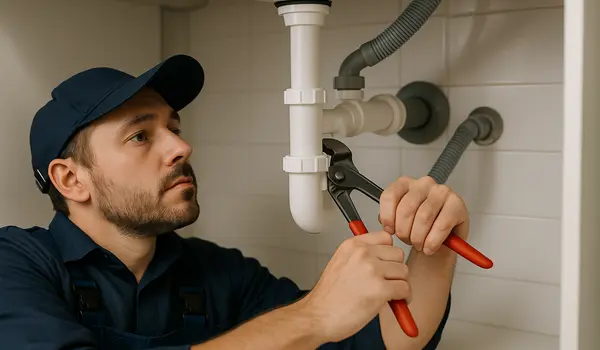
SEWER LINE REPAIR
Round Rock, TX
Do I Need Sewer Line Repair Now or Can It Wait?
Know which warning signs need prompt attention and which can be watched briefly.
Delaying Sewer Line Repair can turn a drain that is merely slow into sewage backing up through a toilet, tub, or floor drain. Damp patches in the yard may spread as wastewater softens soil around a damaged pipe, while repeated clogs can signal roots, a collapsed section, or a blockage beyond the trap. The Round Rock Plumber can inspect the line and explain the finding plainly. A single slow sink may wait; multiple slow drains usually should not. Learn more about our The Round Rock Plumber in Round Rock, TX.
Some symptoms do not worsen overnight. A toilet that occasionally runs often points to a worn flapper or fill valve rather than the sewer line, and a brief period of discoloured water can come from sediment in a supply pipe. But slow drains in several fixtures, gurgling at the cleanout, or a damp patch that remains for days means the line is not clearing normally. Waiting can limit repair options if a small crack becomes a pipe collapse.
What Should Your Drains Do After the Repair?
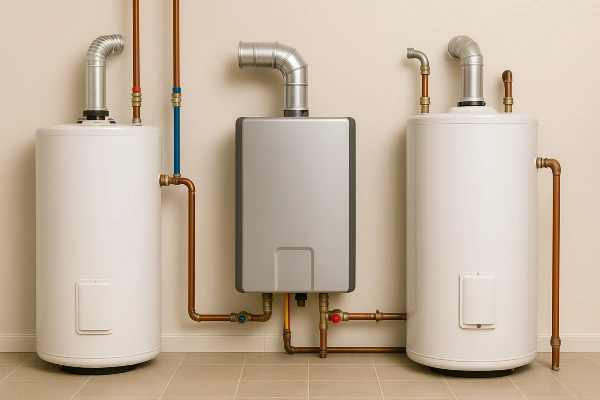
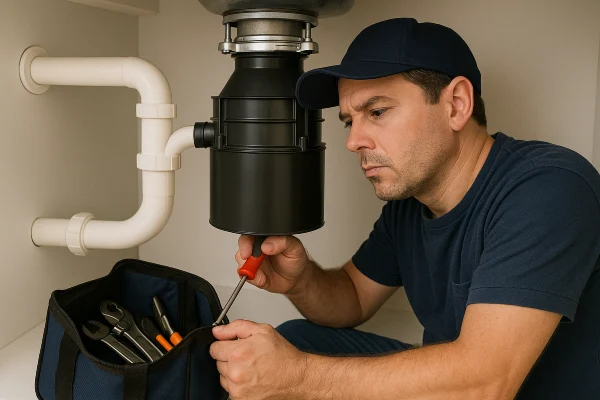
After the sewer line is cleared or repaired, sinks, showers, and toilets should drain without pooling water or bubbling sounds. For a few days, minor odor near an opened cleanout or settled soil above an outdoor repair can be normal, especially after rain. Water should not remain discoloured, toilets should not keep running, and drains should not slow again after normal household use. Toilet Installation work can also affect drainage patterns if fixture connections were recently changed.
Keep the result holding by using drain strainers, avoiding grease in the kitchen line, and keeping wipes, paper towels, and hygiene products out of the toilet. Check the repaired area during the next two to four weeks for new damp patches, sinkholes, or recurring sewage odor. Call back if several drains slow together, a toilet gurgles when the washer empties, or water appears around the cleanout. Those signs can indicate a separate blockage or a deeper section of pipe needing inspection.
What Happens During a Sewer Line Repair Visit?
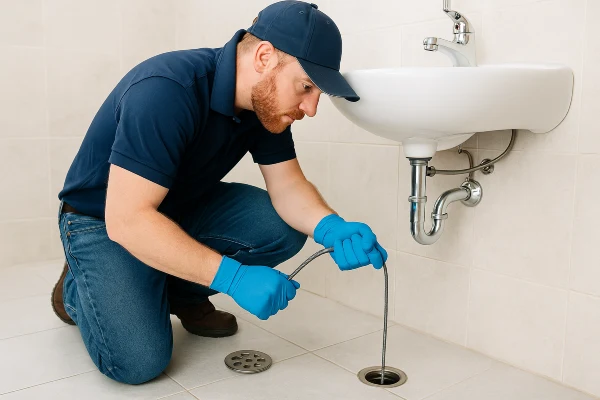
The visit usually starts with locating the cleanouts and asking which fixtures are slow, backing up, or making banging sounds. The plumber may isolate the water supply at a shut-off if a toilet or fixture must be removed, then use a camera inspection through the cleanout to see roots, grease, bellies, cracks, or separated joints. Faucet Installation is unrelated to most sewer repairs, but its supply lines and traps may be checked if a nearby fixture is contributing to the drainage symptom.
If the pipe can be restored without replacement, hydro jetting may remove grease and root debris from the line. Damaged sections can then be exposed, cut out, and connected with approved fittings; soldering may be needed only where nearby copper supply lines require adjustment. Fixtures are re-seated with new seals if they were removed, and traps are checked for leaks. Finally, water is run through the system and pressure testing confirms supply-side connections remain sound.
Why Can One Sewer Repair Be Simpler Than Another?
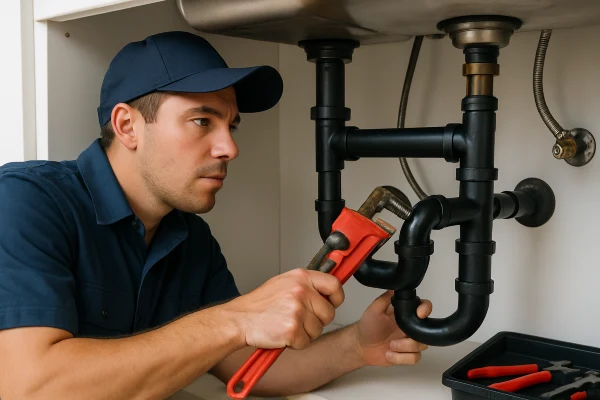
The location and condition of the existing pipe shape the job. A blockage near an accessible cleanout may be cleared in one visit, while a cracked cast-iron section beneath a slab, driveway, or mature tree requires more investigation and excavation planning. Previous drain-snaking matters too: a cable that repeatedly catches at the same distance can point to roots or a broken joint. Camera footage shows whether cleaning is sensible or whether replacement will prevent another backup.
Timeframes depend on access, pipe material, soil conditions, and what appears after the line is opened. PVC joints may allow a focused repair, whereas brittle clay pipe can reveal additional fractures beside the first damaged area. Hydro jetting is useful for grease and roots but cannot rebuild a collapsed pipe; excavation is more disruptive but may remove the failed section directly. Existing valves, supply lines, and fixture placement can also add steps if safe access requires temporarily moving a toilet.
The Round Rock Plumber
2107 Stirrup Dr, Round Rock, TX 78681
(512) 980-6521
contact@theroundrockplumber.net
Hours of Operation
Open 24 Hours