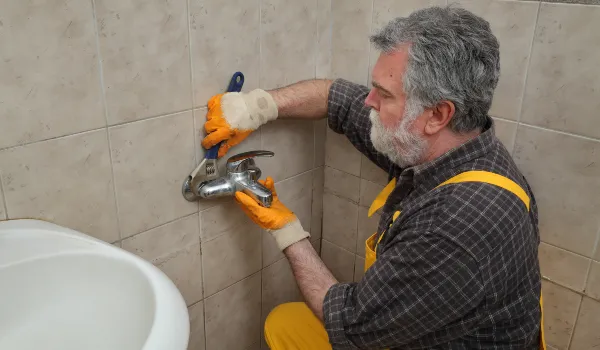
FAUCET INSTALLATION
Round Rock, TX
Faucet Installation for Leaks, Low Pressure, and Worn Fixtures
A new faucet is not always the whole fix
Many homeowners assume Faucet Installation is simply a matter of swapping an old handle for a new fixture. That is understandable: a dripping spout or stiff cartridge makes the faucet look like the obvious culprit. The Round Rock Plumber checks beyond the fixture, because low pressure, discoloured water, or banging pipes can point to a clogged aerator, failing shut-off valve, sediment in a supply line, or excess water pressure. Learn more about our The Round Rock Plumber in Round Rock.
A replacement faucet should fit the sink, the mounting holes, and the existing water connections, but it also needs a sound plumbing system behind it. Slow drains may involve the trap or drain pipe rather than the faucet itself. Damp patches below a cabinet can come from loose supply lines. The actual goal is a faucet that delivers steady hot and cold water without leaks, noise, or hidden cabinet damage.
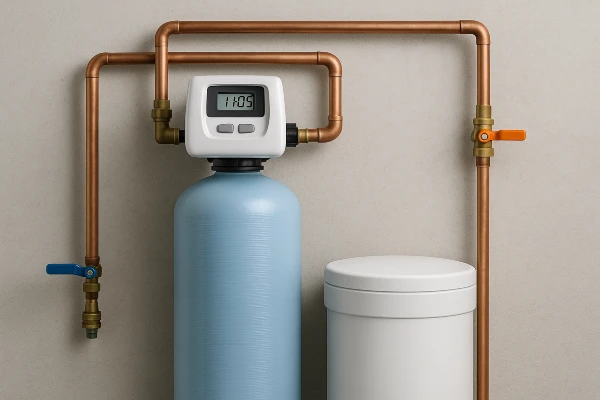

Prepare the Sink Area Before the Plumber Arrives
Before the visit, note the faucet brand if you know it, the number of sink holes, and whether the issue affects hot water, cold water, or both. Take a photo of the cabinet plumbing and keep the new faucet, escutcheon plate, hoses, and mounting hardware together. If you are also considering Garbage Disposal Installation, mention it before the appointment so the sink flange, drain connection, and electrical access can be reviewed together.
Clear cleaners, bins, towels, and stored items from beneath the sink so the shut-offs and trap are reachable. Make a note of dripping times, water discoloration, or pressure changes in nearby fixtures. Avoid forcing seized handles, overtightening a compression nut, or spraying penetrating oil onto supply connections; a brittle valve or corroded fitting can crack and turn a small faucet job into a cabinet leak.
Know What a Properly Installed Faucet Should Feel Like
After installation, the handle should move smoothly, the spout should produce an even stream, and water should stop cleanly without a lingering drip. A brief sputter for a few seconds is normal as air leaves the supply lines. Check the cabinet floor over the next 24 to 48 hours for damp patches around the shut-offs, braided hoses, and trap, especially after running both hot and cold water. Learn more about our expert Leak Detection services.
Get back in touch if low pressure persists after the aerator is cleaned, discoloured water continues beyond the initial flush, or banging pipes begin when the faucet shuts off. Slow drains, a running toilet, or no hot water elsewhere may be separate system issues worth checking. Leak Detection can identify moisture behind a wall or beneath flooring before it damages drywall. Routine aerator cleaning and gentle handle use help protect cartridges and seals.

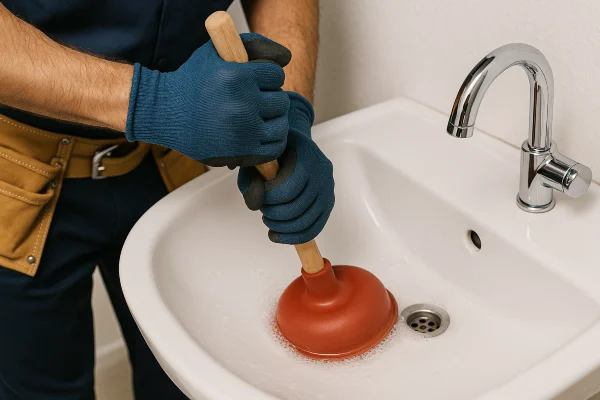
See How the Faucet and Plumbing Connections Are Put Right
The visit starts with an inspection of the sink, faucet body, shut-offs, supply lines, and drain trap. The water supply is isolated before the old fixture is removed, protecting the cabinet from an uncontrolled leak. If drainage is slow or a hidden blockage is suspected, camera inspection through a cleanout may be recommended. For severe buildup, hydro jetting can clear the drain line rather than leaving debris beneath a new faucet.
Next, the mounting surface is cleaned, the new fixture is re-seated, and supply lines are connected to the hot and cold valves. Soldering is only used where a rigid copper connection needs repair; most faucet connections use approved fittings and braided hoses. The plumber then restores water, flushes the aerator, and pressure tests each connection. Pressure regulators, water-heater thermostats, tanks, and anode rods are considered if system pressure or hot-water performance affects the faucet.
The Round Rock Plumber
2107 Stirrup Dr, Round Rock, TX 78681
(512) 980-6521
contact@theroundrockplumber.net
Hours of Operation
Open 24 Hours